Bluebell Wildflower Embroidery Review
A Woodland Whisper in Stitch Form
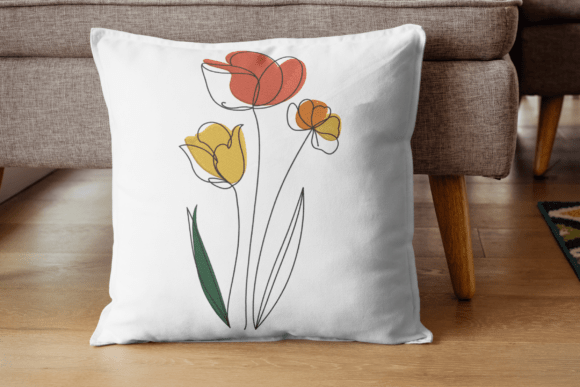
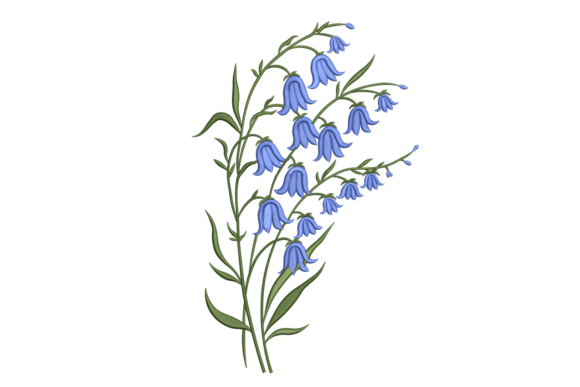
As an embroidery designer who’s stitched thousands of floral motifs—from bold peonies to minimalist daisies—the Bluebell Wildflower immediately stood out not for flash, but for quiet intention. This isn’t a loud, graphic bloom; it’s a graceful, sweeping spray of delicate, bell-shaped flowers that leans into movement and airiness. The design carries the softness of a spring woodland edge—slightly asymmetrical, with gentle curves and subtle layering that suggests natural growth rather than rigid symmetry. It reads as a true machine embroidery design, not a traced illustration: stitch direction feels considered, satin stitch petals taper naturally, and the fill stitch areas breathe without heaviness. For designers building cohesive collections—especially those focused on nature-inspired Single Flowers—this piece adds refined botanical texture without competing with bolder elements.
Real-World Fit: Where Bluebell Wildflower Shines
I tested Bluebell Wildflower across six real project types: a linen apron for a local bakery, a cotton baby blanket, a structured canvas tote bag, a lightweight cotton sweatshirt, a curved-peak cap, and a set of kitchen towels. Its strength lies in its adaptability to *soft* surfaces and *intimate scale*. On the apron and tote, it anchored the upper left chest beautifully—neither overwhelming nor disappearing. On the sweatshirt, the fluid lines softened the garment’s sporty silhouette, making it feel more artisanal and less mass-produced. Most unexpectedly, it elevated the baby blanket: stitched in pale ecru thread on ivory organic cotton, the design read like heirloom embroidery—not machine-made, but carefully hand-stitched over generations.
The Bluebell Wildflower also performed well as an embroidered patch—hooped cleanly in 4x4" and stitched with medium-weight tear-away stabilizer. Its open structure meant minimal puckering, even on lightweight twill backing. As a custom apparel motif, it avoids the “logo fatigue” common with dense, high-contrast designs. Customers responded to its subtlety: several Etsy buyers specifically mentioned how “calm” and “thoughtful” the stitching felt in product photos.
What to Watch For in Production
This is where experience matters. Bluebell Wildflower is elegant—but elegance requires attention. First, stitch density is moderate, not low: avoid skipping stabilizer, especially on knit fabrics or stretchy sweatshirts. I used cutaway with light tear-away on the cap—and still re-hooped once due to slight shifting on the curved surface. On dark fabric, test thread colors thoroughly: pale lavender or silver-gray threads gave depth without glare, while stark white created unintended contrast that distracted from the delicate form.
Small details—like the fine stems and slender calyxes—resolve cleanly at standard 5x7" hoop size, but I’d hesitate to shrink below 3.5" wide without verifying the file’s scalability on the Creative Fabrica product page. There’s no tiny lettering or micro-fill zones, so it avoids common pitfalls of ultra-fine applique design files—but do inspect the finished stitch-out under magnification if using for nursery decor or baby items where tactile safety matters.
Impact Beyond the Hoop
For small business owners and Etsy sellers, Bluebell Wildflower quietly lifts perceived value. It photographs exceptionally well: soft shadows, natural negative space, and organic flow translate beautifully into lifestyle mockups and printable mockups. When styled beside dried lavender or raw linen, it signals intentionality—not just decoration. That nuance builds buyer trust: customers see craftsmanship, not clip art.
It also supports brand consistency for makers who curate seasonal collections. Paired with other woodland-themed embroidery files (think fern fronds or mossy branches), Bluebell Wildflower becomes part of a visual language—not a one-off. And for personalized gifts? It’s ideal. A name stitched beneath the spray in matching thread turns a simple pillow cover or kitchen towel into something tender and memorable—a hallmark of strong handmade presentation.
Practical Notes Before You Stitch
- Always test first: Run Bluebell Wildflower on scrap fabric matching your final substrate—especially for textured weaves or dark backgrounds.
- Stabilizer choice matters: Medium tear-away works for stable wovens (towels, aprons); cutaway + light tear-away is safer for knits and caps.
- Check file details: Confirm hoop size requirements, included formats (DST, PES, etc.), and licensing terms on the Creative Fabrica product page before selling finished items.
- Thread contrast is key: Avoid high-contrast combos unless intentional—this design thrives in tonal harmony.
- Inspect after stitching: Look closely at stem ends and petal edges—some machines may require minor tension tweaks for crisp satin stitch definition.
Final Thoughts for Designers and Makers
Bluebell Wildflower won’t shout from a craft fair table—but it will draw people in. It’s the kind of digital embroidery file that rewards thoughtful execution: the right stabilizer, careful thread selection, and respect for its inherent delicacy. It doesn’t replace bold statement pieces—but it fills a vital gap in any serious designer’s toolkit: the ability to convey quiet beauty, seasonal resonance, and handmade authenticity without overstatement.
If your work centers on custom apparel, nursery decor, boutique merchandise, or heartfelt personalized gifts, this Creative Fabrica embroidery file earns its place—not as filler, but as a considered design asset. It reminds us that sometimes, the most compelling embroidery isn’t about coverage or complexity, but about breathing room, gentle motion, and the quiet confidence of a single wildflower, perfectly placed.