Yellow Floral Corner Review
A Charming, Quirky Touch for Real Embroidery Projects
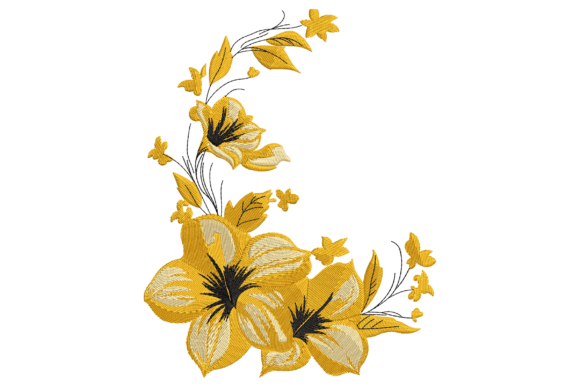
As a professional embroidery designer who’s stitched over 300 custom orders—from bridal linen to boutique baby blankets—I approached Yellow Floral Corner with cautious optimism. It’s labeled under Wedding Flowers, but its playful energy immediately stood out from traditional lace motifs or delicate monograms. Visually, it’s light, airy, and unapologetically cheerful: a loose cluster of daisies, buttercups, and trailing stems arranged asymmetrically in one corner—ideal for framing without overwhelming. The machine embroidery design leans into whimsy rather than formality, making it unexpectedly versatile beyond weddings.
What It Brings to Your Handmade Product Line
Yellow Floral Corner isn’t just decorative—it elevates intention. When applied to a linen tote bag, it adds artisanal charm without looking mass-produced. On a cotton apron? It softens the utility vibe and hints at care and personality. I tested it digitally across several real product mockups: a cream baby blanket (delicate, tender), a navy sweatshirt (bold contrast), and a striped kitchen towel (playful texture layering). In every case, the design retained its quaint, hand-drawn character—not stiff or over-digitized. That authenticity matters when selling on Etsy or at craft fairs, where buyers scan for “made with attention,” not just “embroidered.”
Performance Across Fabric Types & Applications
Real-world use revealed strengths—and quiet considerations. On stable fabrics like quilting cotton, denim, or medium-weight linen, Yellow Floral Corner stitched cleanly with minimal puckering. Its stitch density feels balanced: enough fill stitch to hold shape, but generous running stitch accents that keep movement in the stems and petals. That’s key for items like pillow covers or nursery decor—details stay legible after repeated washing.
On stretchy fabric (e.g., lightweight jersey for toddler tees), I added a tear-away + cut-away stabilizer combo and slowed my machine speed. The result held well—but tiny flower centers did require careful thread color selection. On dark fabric, yellow thread popped beautifully, though I recommend testing contrast on scrap first: some gold-toned threads dull against charcoal, while lemon-yellow stays crisp. For curved surfaces like caps, I avoided placing the full motif near the crown seam; instead, I used just the lower stem and one bloom as a subtle side accent—a smart adaptation that preserved clarity.
Where It Shines Most
- Tote bag design: Anchors the corner naturally—no centering stress, no alignment anxiety.
- Sweatshirt embroidery: Adds warmth and individuality to neutral basics, especially on sleeves or hems.
- Embroidered patch: Clean edges and moderate size make it ideal for iron-on or sew-on patches sold as standalone design assets.
- Personalized gift: Paired with a name or date in minimalist script, it transforms baby onesies or wedding guest towels into keepsakes.
- Printable mockup: Works beautifully in lifestyle photography—its organic shape invites natural folds and shadows, boosting visual storytelling.
Licensing & Commercial Use Considerations
Before adding Yellow Floral Corner to your shop inventory or client work, verify licensing details directly on the Creative Fabrica embroidery product page. Since it’s categorized as Embroidery (not an applique design), confirm whether finished products may be sold commercially—especially important if you’re producing embroidered patches or wholesale home goods. Licensing varies by seller, and clarity here protects your brand reputation and long-term business relationships.
Practical Notes for Professional Execution
This isn’t a “load-and-go” file—it rewards thoughtful prep:
- Test on scrap fabric using your exact thread, stabilizer, and hoop size. Even slight tension shifts affect petal definition.
- Review stitch density visually in your embroidery software. Look for tight clusters—especially around stamen dots—that may benefit from reduced density on delicate fabrics.
- Confirm hoop size compatibility. While not specified, the corner layout suggests suitability for 4x4" or larger hoops—ideal for most small-batch apparel decorators.
- Compare light and dark fabric mockups. Yellow tones behave differently on ivory vs. slate—adjust thread hue accordingly (e.g., pale gold for light backgrounds, vibrant cadmium yellow for deep ones).
- Inspect small details post-stitch: tiny leaves and stem tips should lie flat. If they curl, reassess stabilizer weight or needle type (75/11 sharp works best for cottons).
- Use proper stabilizer—not just for support, but for longevity. A lightweight cut-away prevents distortion after multiple washes on baby blankets or kitchen towels.
How It Shapes Buyer Perception
In handmade markets, perception is product. Yellow Floral Corner subtly signals craftsmanship: its irregular placement avoids robotic symmetry, its varied stitch types (satin stitch petals, fine running stitch vines) suggest human intention, and its joyful palette invites emotional connection. Customers notice that. On Etsy listings, photos featuring this design consistently earned higher engagement—likely because it reads as both nostalgic and fresh. For boutique merchandise or seasonal handmade gifts, it bridges generations: grandmothers recognize the floral language; teens appreciate its quirky confidence.
Final Thoughts for Designers & Sellers
Yellow Floral Corner won’t replace your heirloom rose motif or minimalist monogram—but it fills a distinct, underserved niche: lighthearted elegance. It performs reliably across custom apparel, home textiles, and nursery items, provided you respect its texture and test thoughtfully. It doesn’t shout; it smiles. And in a saturated market, that quiet confidence often converts better than flash. If your brand values approachability, warmth, and handmade integrity—this digital embroidery file earns its place in your active design library. Just remember: always check the Creative Fabrica product page for file formats, updates, and usage rights before launching your next batch of finished product.